Until 35 years ago, I only knew of events that moved or shocked the world from the media: Kennedy’s assassination, the moon landing, the Vietnam War, the hostage crisis at the US Embassy in Tehran, etc. At the beginning of October 1989, I was invited to a church conference in the then disintegrating GDR. On the 40th anniversary of the GDR, I gave a speech about the German theologian Dietrich Bonhoeffer. Hardly anyone was listening! The lecture was not bad, but the peaceful demonstrations on the streets held us all captivated. Again and again, someone left the room to turn on the radio to get the latest news from the West about the demonstrations. Others got information by phone until our phone in the conference center was cut off. Almost all the participants knew someone who was taking part in the demonstrations. Everyone wondered if the soldiers would shoot. You could literally feel the uncertainty, tension and burgeoning hope in the air.
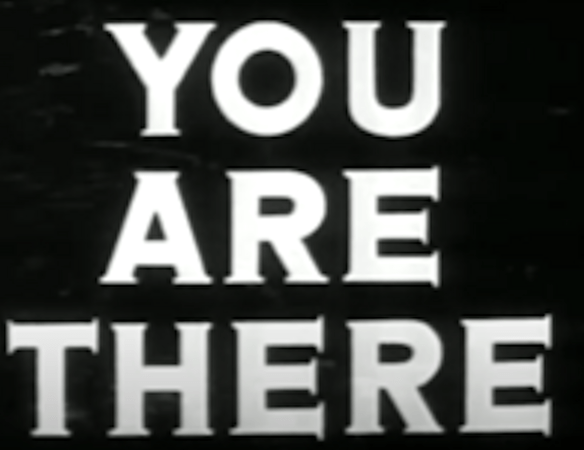
“You are there!”, the title of an old television program about great historical events, went through my mind. You are there, in the middle of a revolution. The thought took my breath away. And at my back was the fear that I could be arrested or expelled. When I preached the next morning, people from the Stasi were sitting in the pews. Should I preach revolution and call for an uprising against the dictatorship? No! But not because of the Stasi. It would have been hypocritical to ask others to risk their lives knowing that I could “escape” with a Western passport and get to safety.
A week later, I was sitting in the front row of a packed church in the stronghold of the old Stalinists at the “Prayer for the Fatherland”. There were people sitting everywhere: on the windowsills, in the aisles, all around the altar, and filling the two side-balconies, . At that time, the church was the only place where information and opinions could be exchanged more or less freely. Of course, the Stasi was always listening in. The spontaneous intercessory prayers were not concluded with “Amen”, but with applause. They did not pray for any strangers in need, but for themselves and their own country. The hardship, the fear, the hope, the desperation, the yearning for freedom were their own.
The pastor spoke of God becoming man in Jesus: If God himself can come to us humans to talk to us face to face in Jesus, then our government can finally come to us and talk to us face to face as well. Revolutionary words to party officials and politburo members to finally deal with the people instead of maintaining their privileges. My neighbor got up briefly. “No soldiers in front of the church. We’ll probably be fine!”
At the end, someone started singing “We shall overcome.” I stood up spontaneously, and 2,000 people stood with me. I felt myself what the blacks in the United States felt during their civil rights marches. When I had followed the marches on television, I could not really feel what moved the souls of the demonstrators. That evening in Suhl, Thuringia, GDR, I experienced the power and hope contained in the words of the familiar song.
The media reports on the 35th anniversary of the fall of the Wall are not abstract history for me, but a piece of my own life. And the thought of the fall of the Wall still leaves me breathless after 35 years.


Very moving to read this. And in some small way it gives me hope that good people here in the US will also rise up against authoritarianism and oppression today.
LikeLike
That’s what I was thinking while uploading the text. Unfortunately, the successful uprising in the GDR was 40 years in the making!!!
LikeLike
That’s why it only gives me hope in a small way…
LikeLike
Richard, I was not able to leave any comment at the end of the blog. Thanks for sending this interesting story. It’s amazing that you were there at that moment in history. Max
>
LikeLike