Are you old enough to remember the CBS TV series “You Are There”? Walter Cronkite hosted the reenactments of historical events as though they were part of his regular news broadcasts. At the end of the program, Conkhite summarized the content of the episode and concluded, “What sort of day was it? A day like all days, filled with those events that alter and illuminate our times… all things are as they were then, except you were there.”
On November 9th, 1989, the Berlin wall fell. Just three days later, I flew with friends to Berlin to see it for myself. I was there when history was being made. It wasn’t a TV reenactment of an historical event. YOU ARE THERE! Those words kept going through my mind during the two days I spent in Berlin on that November weekend. The words of the text below cannot fully capture the intensity of what I experienced. Now — 35 years later — I still get choked up thinking about what I saw and heard in West and East Berlin while I was THERE.
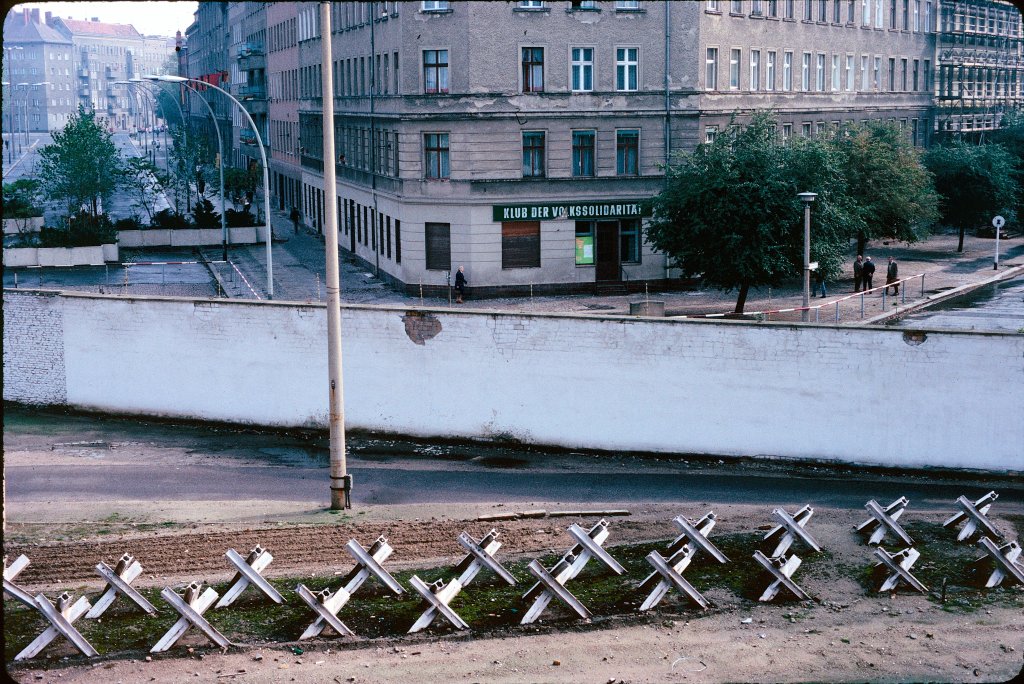
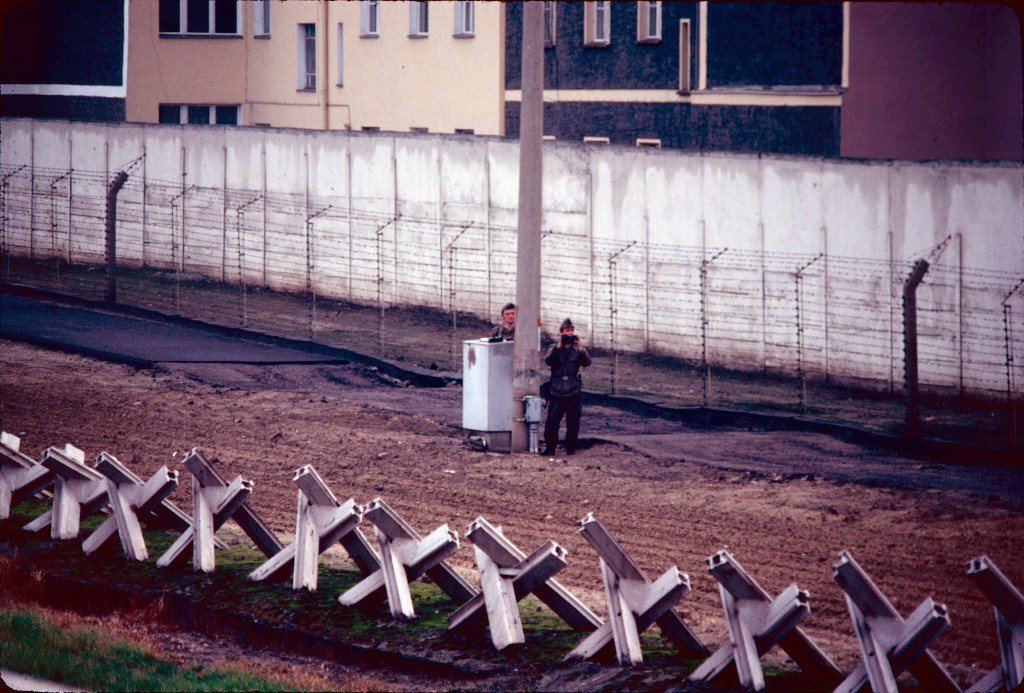
I had been to Berlin the first time in the fall of 1983 during the so-called “Luther Year” commemorating the Reformer Martin Luther’s 500th birthday. It was the first of eight visits to the German Democratic Republic that I would make before the fall of the Berlin wall six years later. Travel to East Germany involved a great deal of bureaucracy: applying for a visa, having your passport and visa checked and filling out the Zählkarte at the border, reporting in to the police after arriving, exchanging 25 West Marks for 25 East Marks for each day you were staying, and then reporting to the police again at the end of your stay to receive an exit visa. Dealing with East German officials was also often intimidating.
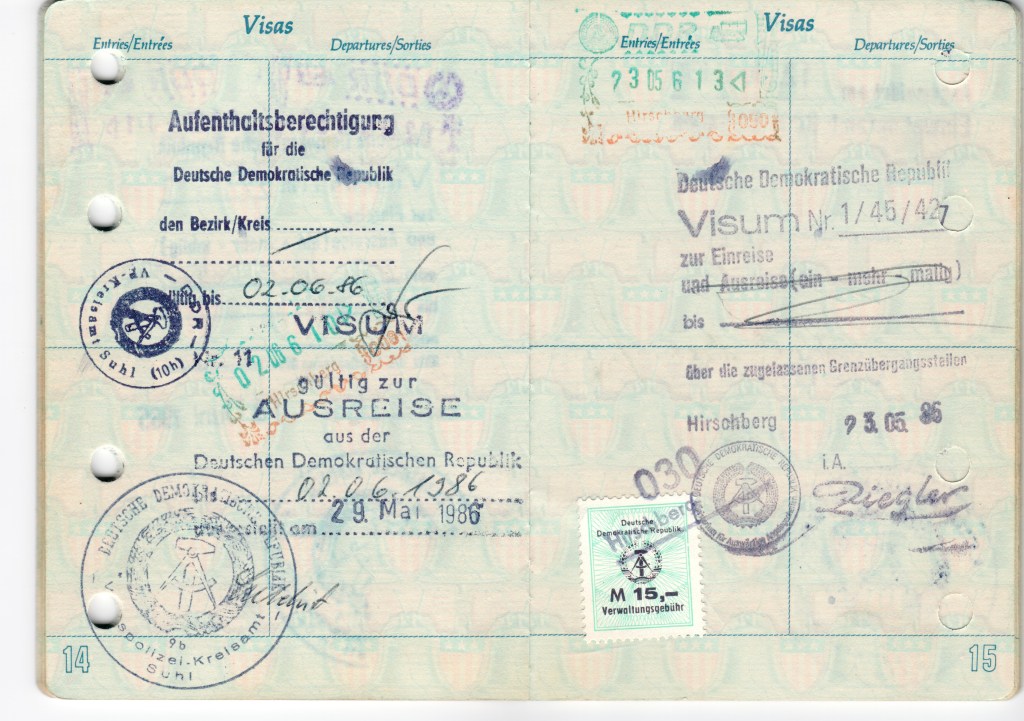
Everyone I met in East Germany would have gladly endured even more bureaucracy and intimidation by government officials if it had meant that they could travel freely. Even having a passport was a privilege. And those who were lucky enough to get permission to travel to the West were almost always under observation during their stay. East Germans often referred to their country as an open-air prison — when they were sure that the State Security Police (Staatssicherheit or Stasi) was not listening. Those of us who have always been able to travel freely to any place they wish cannot fully comprehend what it is like to lack this freedom.
Erich Honecker had said in the months before November 1989 that “the Wall will still be standing in 50 and even in 100 years …” At the time Honecker said that, East Germans were fleeing to the West in droves, driven by a lack of perspective and their desire for freedom and democracy. So when First District Secretary in Berlin Günter Schabowski announced at a press conference that travel restrictions would be lifted immediately, people could hardly believe their ears. A translator working at that conference was sure that she had misheard Schabowski and hesitated to translate his statement. She was afraid that she had really not understood correctly and that translating an incorrect statement could have repercussions. She had heard correctly!
The unexpected news spread like wildfire! People rushed to the border. My friends and I stood on the western side of the wall at Potsdamer Platz for a long time on Saturday evening watching the East Germans removing sections of the wall. When we returned on Sunday, we were part of a large crowd of people gathered to take in the historic event: East Germans crossing freely into the West. A large number of journalists were jostling each other for the best angle. Some of them literally poked their cameras into the people’s faces. At times, the West Berlin police had to pull the camera people away — which observers applauded. The journalists appeared to me sometimes like voyeurs violating the intimate moments of reunions with relatives that hadn’t seen each other in perhaps decades.
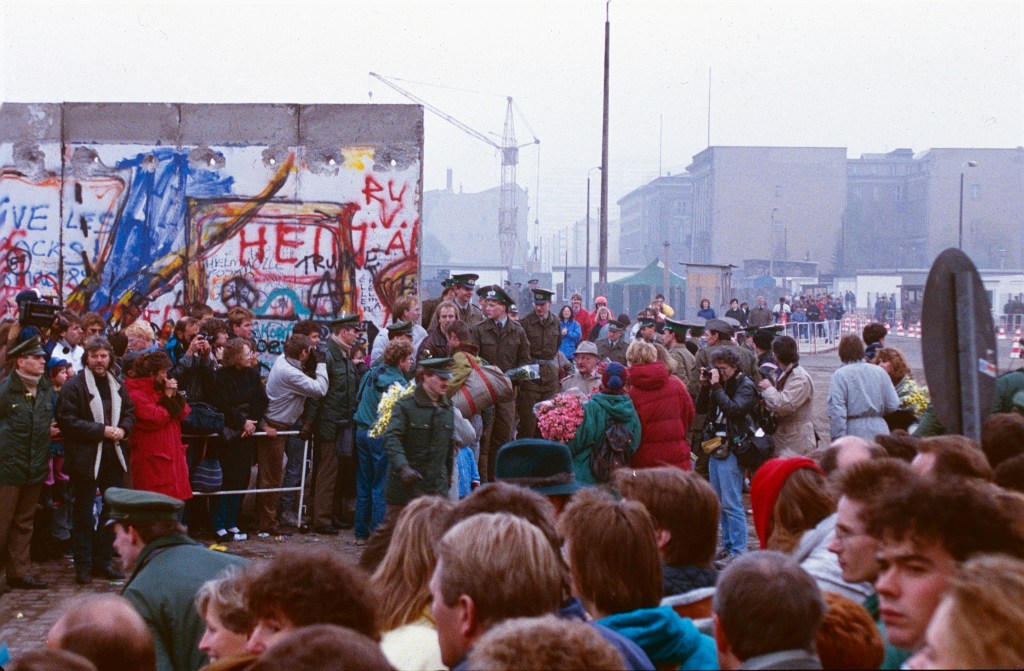

Still today, when I think about what we saw on the Sunday, I get choked up. The tears, the joy, the laughter of the newly freed East Germans made a lasting impression. I have a technicolor film with Dolby-sound in my mind of Ossis (East Germans) overwhelmed with emotion embracing friends and relatives, being given flowers, candy and chewing gum as welcoming presents. The observers from all over the world applauded again and again.
In those days, Berlin was one big party with millions of hosts and guests. Ossis were unable to spend any of 100 D-Mark Begrüssungsgeld (welcome money) that they had received from the West German government because almost anything they wanted in a bar or restaurant was paid for by a stranger from the West. Over and over again we heard people singing: “So ein Tag, so wunderschön wie heute, so ein Tag, der dürfte nie vergeh’n.” (Such a wonderful day like today should never end.) However, the next lines are: “Und wer weiss, wann wir uns wiederseh’n.” (And who knows when we will see each other again.) The future was anything but secure.
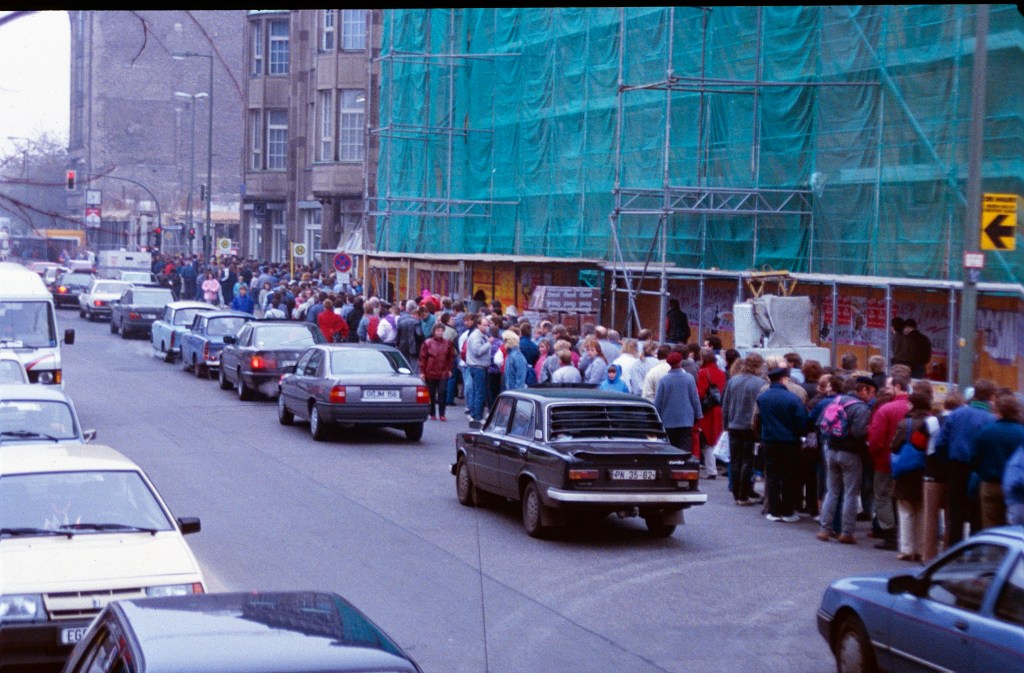
 Blumenfeld Family Stories
What a wonderful story—I can feel your emotion through your words. I remember the US news coverage, and even though it was clear how jubilant people were, your words convey that jubilance much more powerfully.
LikeLike
There are a few more stories coming. I should have worked on these stores before the November 9th anniversary of the Fall.
LikeLiked by 1 person
Thank you for sharing this story, Richard. It is wonderful and vividly told. Max
>
LikeLike